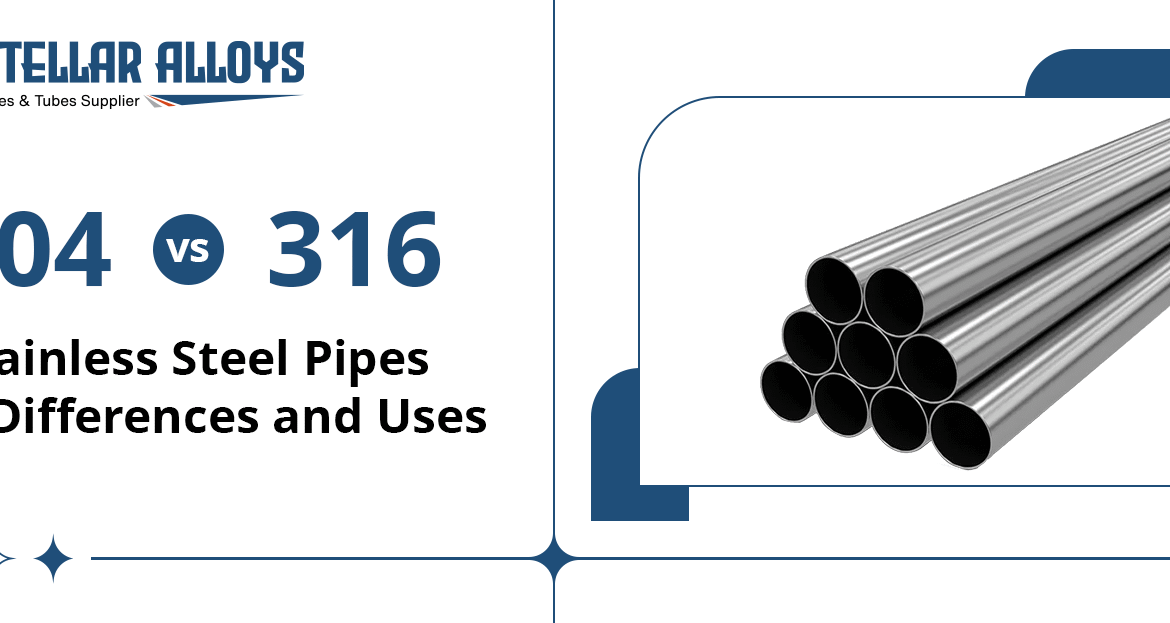
In comparison of 304 vs 316 stainless steel, one must understand how their composition and their properties would affect the real working performance. The two are common in the industries although their differences cannot be ignored in choosing the right material. With a more detailed technical analysis of the grades…
The choice of the appropriate nickel alloy is an important factor in the industrial safety and performance. The most common analysis that engineers do is the inconel 600 vs 625 and or inconel 625 vs 718 to establish the material that is most suitable to deal with extreme conditions. This…
Within the sphere of extreme engineering, traditional materials do not last long, as they are under the influence of heat, creep, and violent corrosion. It is the operating environment that the Inconel family of nickel-chromium superalloys, Grades 600 (UNS N06600) and 625 (UNS N06625) will prove useful. Fabrication of such…
Duplex and Super Duplex steels are highly reputed in terms of their incredible strength and resistance to corrosion and hence are the most appropriate when it comes to the rough and tough conditions. Their combination in most cases aims at acquiring the benefits of both austenitic and ferritic structures. They…
In the steel manufacturing sector, steel pipes and steel tubes may appear similar, but they differ significantly in purpose and sizing. Both have hollow, cylindrical shapes, yet their applications and measurement standards are distinct. These differences impact how they are used across various industries. This blog explores the key pipe…
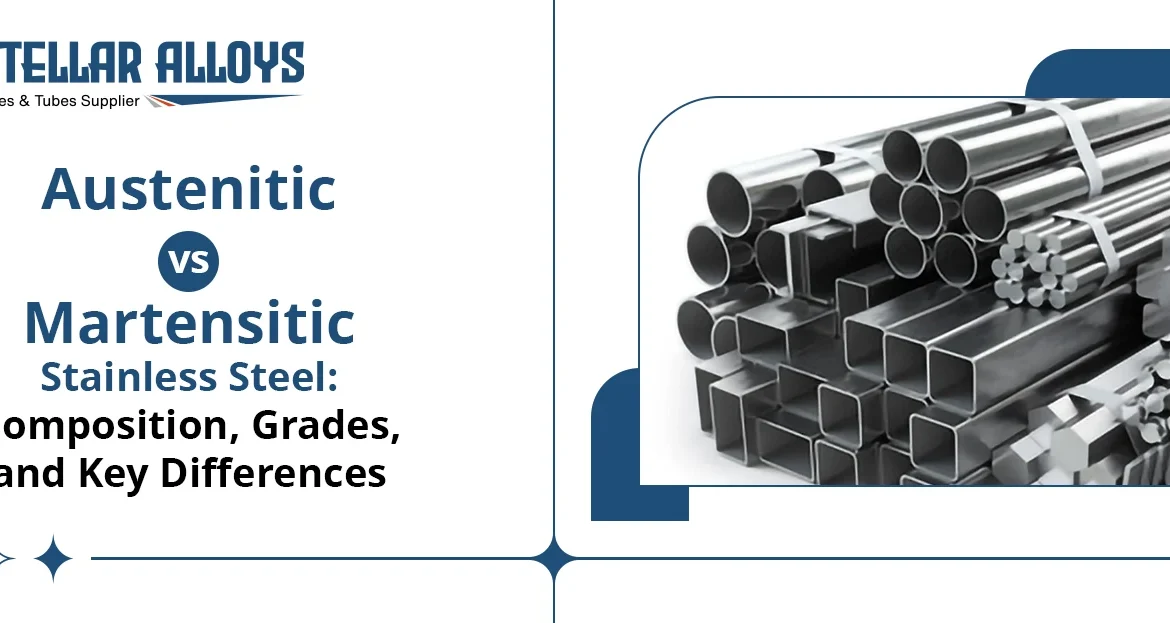
Stainless steel is available in many grades, each of which is designed for unique applications. Austenitic and martensitic grades are two categories of stainless steel that are commonly encountered, but their properties are nearly opposites. As such, it is important to learn the differences between these types of stainless steels…
Stainless steel (SS) is a corrosion-resistant alloy primarily composed of iron, chromium and other elements such as nickel, molybdenum, or manganese. With at least 10.5% chromium, it forms a protective oxide layer that prevents rust and degradation, even under challenging environmental conditions. What sets stainless steel apart is its unique…