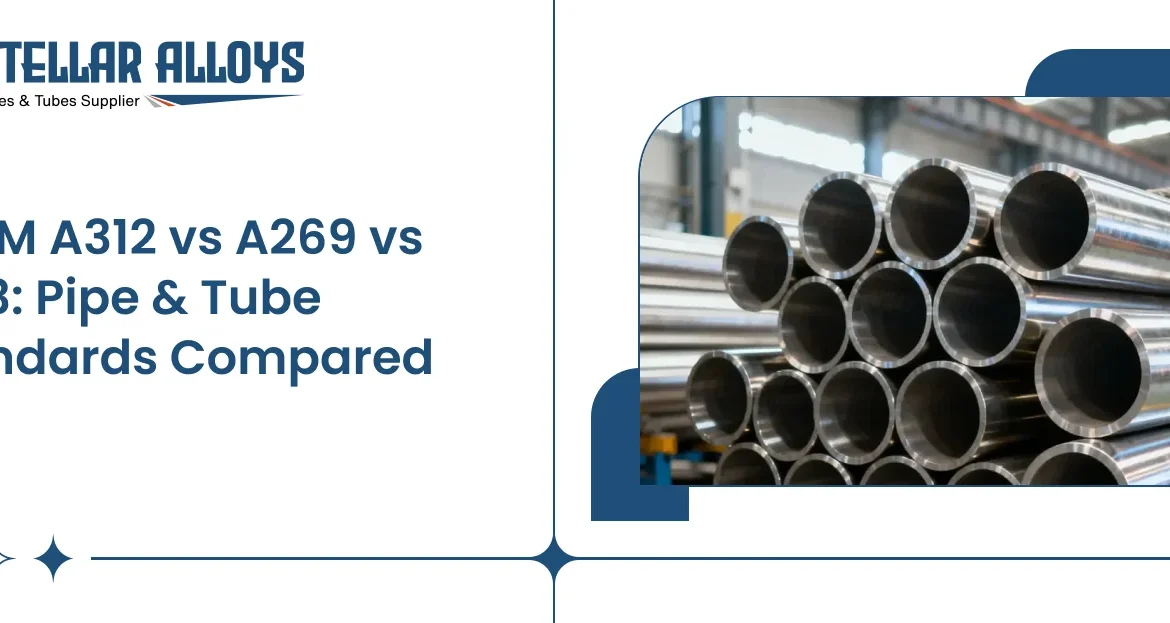
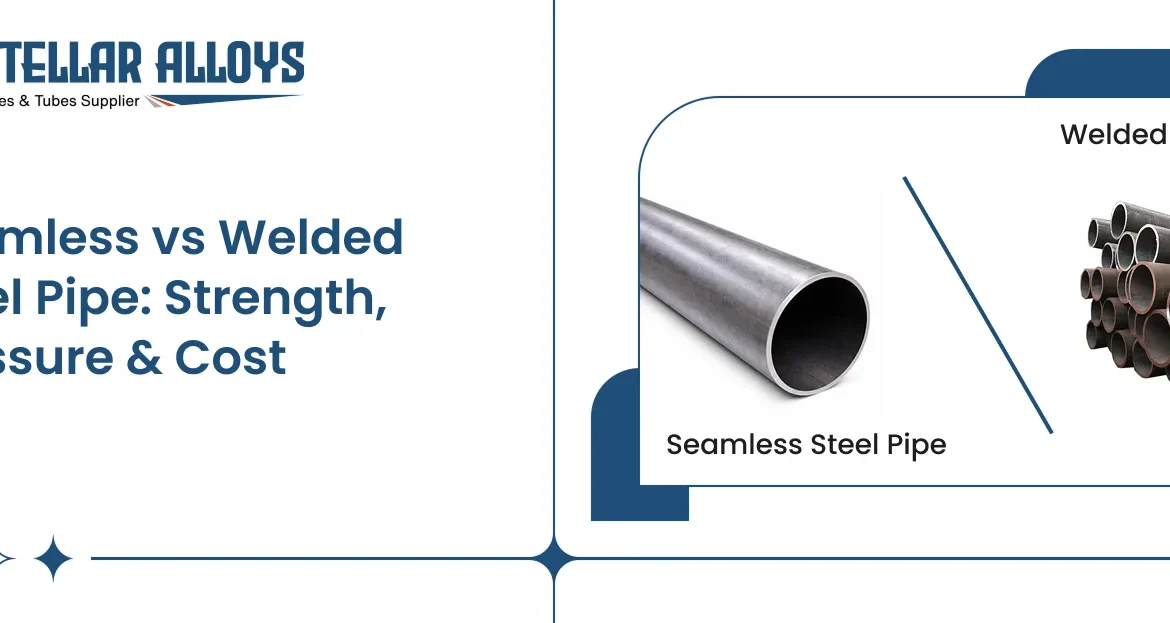
In the steel manufacturing sector, steel pipes and steel tubes may appear similar, but they differ significantly in purpose and sizing. Both have hollow, cylindrical shapes, yet their applications and measurement standards are distinct. These differences impact how they are used across various industries. This blog explores the key pipe…
Stainless steel is available in many grades, each of which is designed for unique applications. Austenitic and martensitic grades are two categories of stainless steel that are commonly encountered, but their properties are nearly opposites. As such, it is important to learn the differences between these types of stainless steels…
Stainless steel (SS) is a corrosion-resistant alloy primarily composed of iron, chromium and other elements such as nickel, molybdenum, or manganese. With at least 10.5% chromium, it forms a protective oxide layer that prevents rust and degradation, even under challenging environmental conditions. What sets stainless steel apart is its unique…