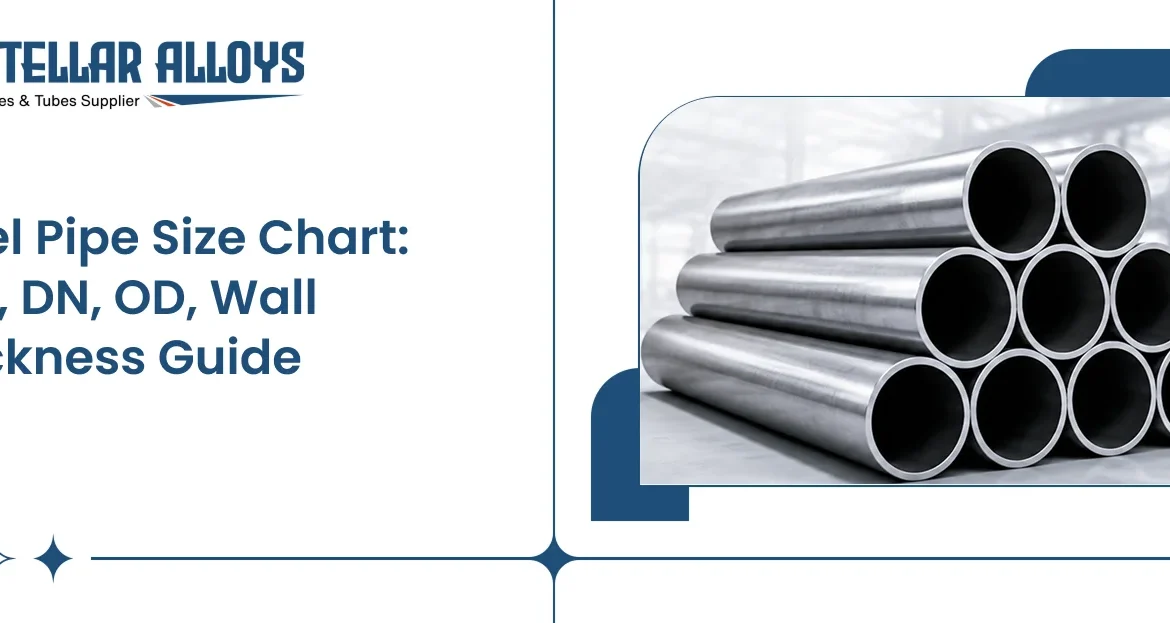
A two inch pipe does not measure two inches across. Its outside diameter is 60.3 mm, and it has been that number for longer than most of the plants using it have been standing. Your tape measure is fine. Nominal Pipe Size is a designator, not a dimension, and that…
Pipe weight is not a number you look up. It is a number you produce, from two figures already on the drawing, using one line of arithmetic that most buyers have never actually been shown. Take the outside diameter, subtract the wall thickness, multiply the result by the wall thickness,…
Welded pipe is not weaker than seamless pipe. The steel is the same steel, the mill certificate says so, and a sound ERW weld will usually fail a tensile test somewhere other than the seam. What is true is that the design code does not extend it the same trust.…
The mill certificate can be perfect and the material still wrong for the job. That is what happens when tubing bought to ASTM A269 ends up in a duty that needed ASTM A213, because both arrived stamped 316L and both looked identical stacked on the rack. These three standards are…
Alloy 825 vs Inconel 825 Comparison is a popular discussion among engineers and buyers interested in corrosion-resistant nickel-based alloys for various harsh industrial applications. Even though the materials mentioned above may seem the same, knowledge of the alloy composition, UNS N08825 code, ASTM standards, mechanical characteristics, and uses is critical…
The chemical composition of Inconel is the only factor that can determine the performance of each grade in extreme service conditions. From corrosion resistance to weldability, a knowledge of just how much nickel, chromium, molybdenum and niobium exists within your selected Inconel grade is the key to determining all of…
Introduction When working with high-performance nickel alloys, understanding the distinction between an Inconel 600 plate and a sheet is essential for making the right procurement decision. The fundamental distinction is thickness: Plates are over 3.175 mm, while sheets are up to 3.175 mm. Whether you operate in chemical processing, aerospace,…
When engineering demands leave no room for failure — extreme heat, crushing pressure, and corrosive media all at once — Inconel 718 pipe is the material professionals specify. A precipitation-hardenable nickel-chromium superalloy, Inconel 718 (UNS N07718) delivers extraordinary strength from cryogenic temperatures all the way up to 700°C (1300°F), making…
Inconel is one of the most widely used superalloys in industries that require exceptional heat resistance, corrosion protection, and mechanical strength. From aerospace and marine engineering to chemical processing and power generation, this alloy performs reliably under extreme conditions where ordinary stainless steel or carbon steel materials fail. The term…
The most common question asked among the different industries in which is stronger, titanium or stainless steel pipe? The question is not so simple to answer, as it depends on what kind of strength you need in your application. Titanium is also characterized by its superior strength-weight ratio, being lightweight…